One of the most common questions modern collectors ask is whether a luxury watch will hold its value over time. In today’s market, luxury watches are no longer viewed solely as accessories or status symbols.
Buyers increasingly evaluate watches as long term purchases with potential investment characteristics.
However, not every luxury watch performs equally within the resale market. Some references appreciate dramatically, while others lose substantial value shortly after purchase. Understanding the factors that influence long term value retention is essential for collectors entering the market in 2026.
Brand reputation remains the single most important factor influencing value retention. Watches from globally recognized brands consistently perform better because collector demand remains stronger and more stable.
Rolex dominates this category because of unmatched worldwide recognition and trust. Even buyers with limited knowledge of watches understand the prestige associated with Rolex.
Patek Philippe and Audemars Piguet also perform exceptionally well because of their exclusivity and limited production numbers.
Scarcity is another major driver of value retention. Watches that are difficult to acquire at retail pricing generally maintain stronger secondary market demand.
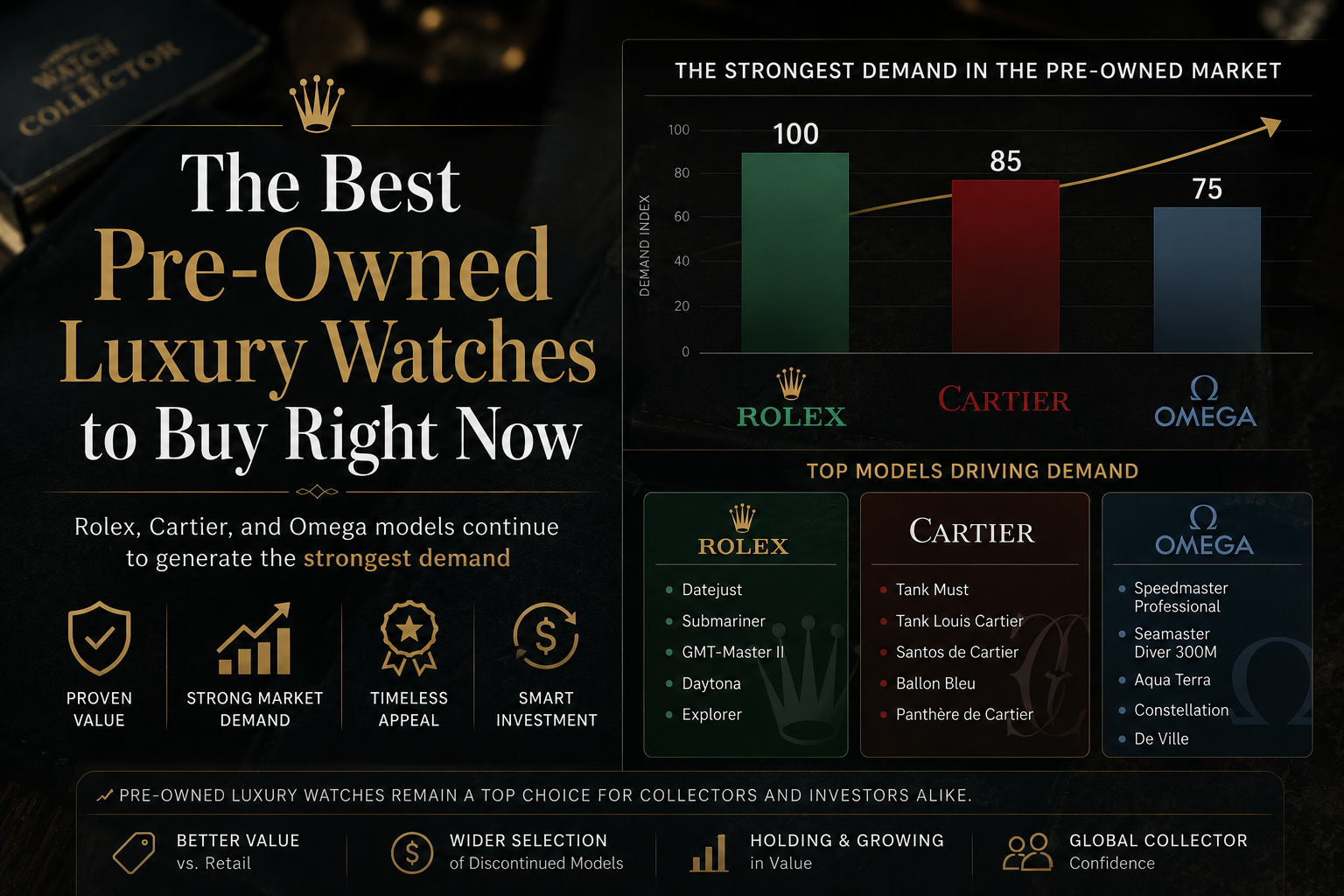
Rolex sports models illustrate this principle clearly. Daytona, GMT Master II, and Submariner references continue trading at premiums because buyers cannot easily purchase them through authorized dealers.
Production numbers significantly impact collectibility as well. Brands producing fewer watches naturally create more exclusivity. Limited production helps sustain long term demand.
Timeless design also matters enormously. Watches with balanced proportions and enduring aesthetics tend to remain desirable for decades.
Rolex rarely makes radical design changes to core models, which allows older references to remain visually connected to modern production watches.
Condition plays a critical role in value retention. Collectors strongly prefer watches with minimal polishing, original parts, and strong overall preservation.
Originality is especially important for vintage collecting. Replacement dials, heavily polished cases, and non original components can dramatically reduce collector appeal.
Complete sets also retain stronger value. Watches that include original boxes, warranty cards, manuals, receipts, and service documentation generally perform better on the secondary market.
Discontinued references frequently appreciate because supply permanently ends while collector demand continues growing.
The Rolex Hulk Submariner and numerous GMT Master II references demonstrate how discontinuation can increase demand dramatically.
Sports watches typically outperform dress watches in terms of value retention because they appeal to a wider audience and offer stronger daily versatility.
Integrated bracelet sports watches remain especially popular in 2026. Models such as the Royal Oak and Nautilus continue dominating collector conversations.
Historical significance can also elevate long term collectibility. Watches connected to major innovations, cultural moments, or influential individuals often become more desirable over time.
The Omega Speedmaster Professional’s connection to NASA remains one of the strongest examples.
Auction performance provides another useful indicator. Watches that consistently perform strongly at major auctions often gain credibility among collectors and investors.
Collector communities also influence value retention significantly. Online forums, social media platforms, and enthusiast networks can rapidly increase awareness around certain references.
However, buyers should be cautious about short term hype cycles. Some watches experience temporary popularity spikes that eventually fade.
The strongest long term performers usually combine heritage, timeless design, and sustained collector demand rather than short term speculation.
Liquidity matters as well. Rolex remains exceptionally strong because collectors worldwide are willing to buy and sell the brand consistently.
The pre owned luxury watch market has matured substantially in recent years. Authentication standards and dealer transparency have improved, which gives collectors more confidence purchasing pre owned watches.
Trusted dealers now provide detailed condition reports, authenticity guarantees, and market guidance that help buyers make informed decisions.
Precious metal selection can also influence value retention. Stainless steel sports watches typically outperform precious metal versions because demand remains strongest for versatile daily wear pieces.
However, white gold and platinum references continue gaining momentum among experienced collectors who appreciate quiet luxury.
Case size trends also affect long term appeal. Watches between 36mm and 41mm remain the safest long term range because they balance comfort and timeless wearability.
Oversized watches that once dominated the market continue losing popularity among many collectors.
Buyers should ultimately focus on watches they genuinely enjoy rather than purely chasing investment performance.
The strongest collections are usually built around passion, appreciation for craftsmanship, and personal style.
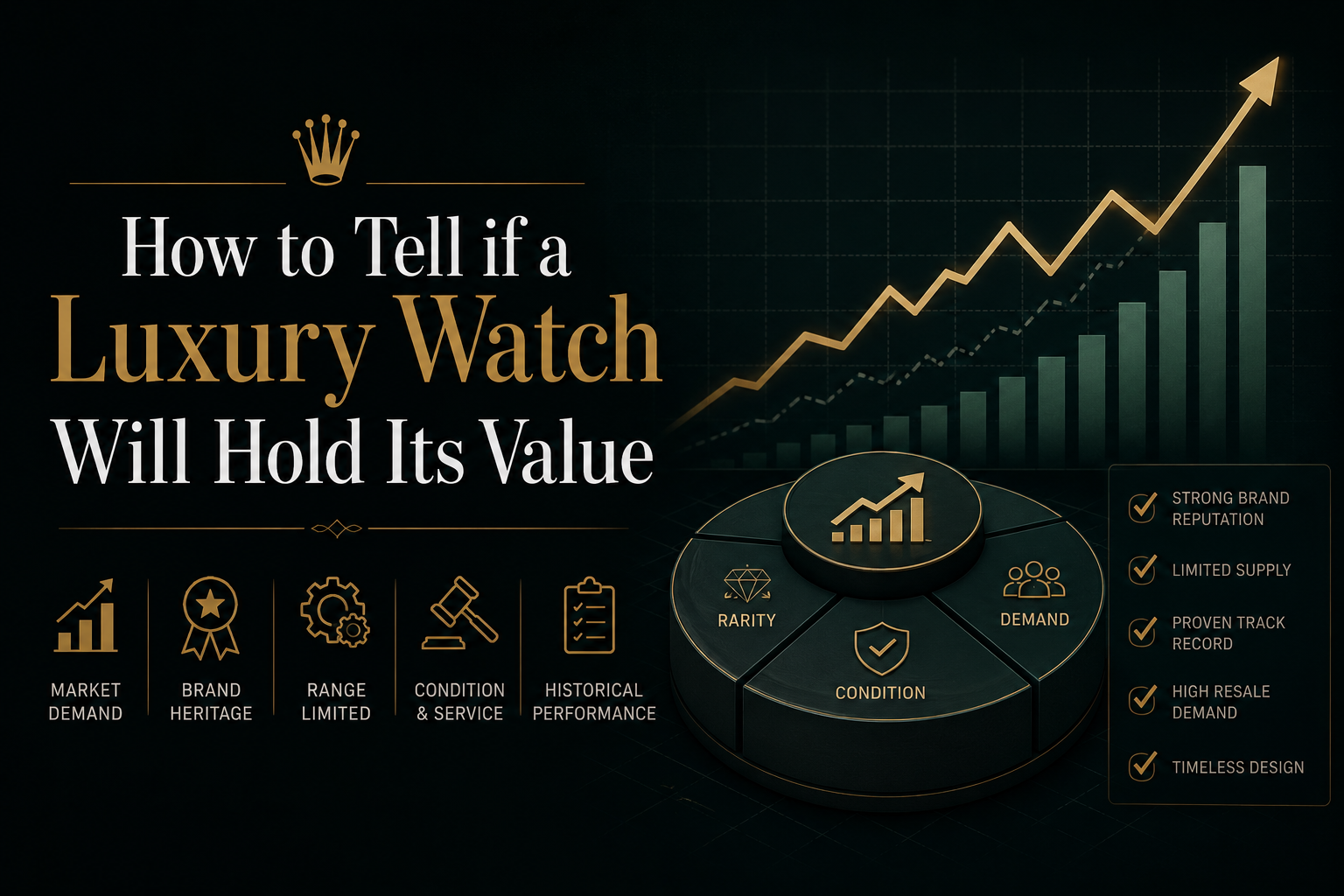
Luxury watches that combine historical importance, strong brand identity, limited supply, and timeless aesthetics are most likely to maintain long term desirability.
The luxury watch market in 2026 continues offering extraordinary opportunities for collectors who understand these principles.
Luxury Time Brokers continues helping collectors identify luxury watches with strong long term value retention while providing guidance on market trends, collectibility, and authentication.